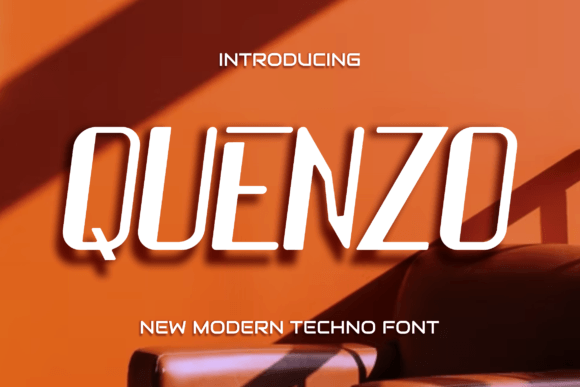
Quenzo: A Modern Display Font for Creative Workflows
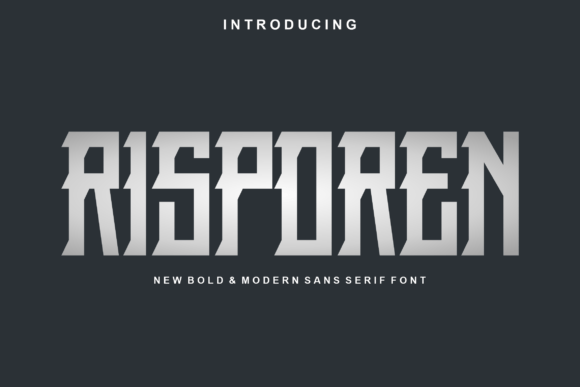
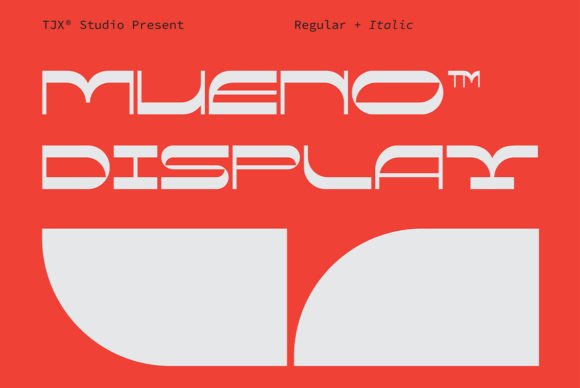
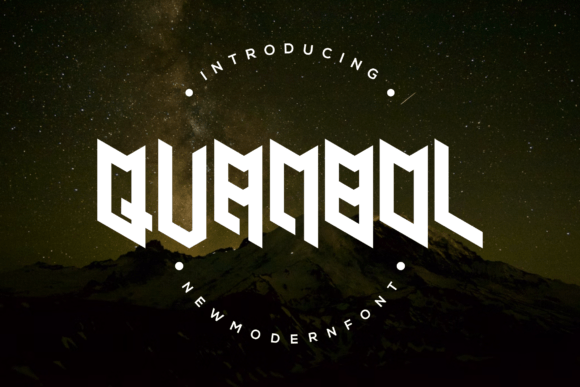
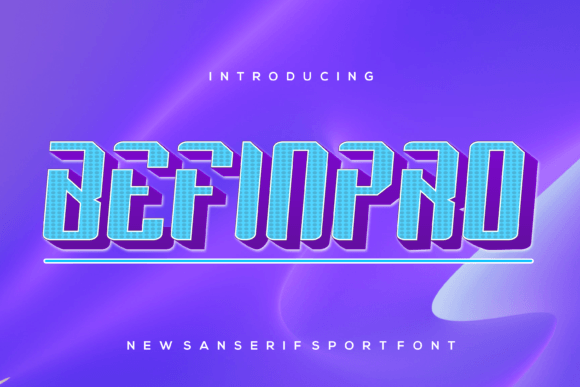
Quenzo is a display font that stands out for its modern and unique style, making it an excellent choice for designers, marketers, and creators looking to add visual appeal to their projects. Its clean lines and distinctive character set make it ideal for headlines, logos, and other design elements where readability and aesthetics are equally important. Whether you're working on a branding project, a marketing campaign, or a personal creative endeavor, Quenzo can be a valuable addition to your typographic toolkit.
Understanding Quenzo in the Design Process
In the broader context of design workflows, Quenzo serves as a versatile tool that can enhance various stages of the creative process. From initial concept development to final presentation, this font can help communicate ideas more effectively. Its bold yet elegant appearance makes it suitable for both digital and print media, offering flexibility across different platforms and applications.
When planning a design project, choosing the right font is often one of the first decisions made. Quenzo can be integrated early in the process, allowing designers to establish a visual identity that aligns with the project's goals. This proactive approach ensures that typography becomes a foundational element rather than an afterthought.
Using Quenzo Before, During, and After Projects
Quenzo can be used at multiple points throughout a project lifecycle. Before starting, it can help define the tone and style of the work. During execution, it can be applied to mockups, storyboards, or concept sketches to visualize how text will appear in the final product. After completion, it can be used in presentations, promotional materials, or client reviews to reinforce the overall design message.
For example, when developing a brand identity, Quenzo can be used in early mood boards to convey the desired aesthetic. As the project progresses, it can be applied to mockups to test different layouts and compositions. Once the design is finalized, it can be incorporated into marketing assets such as social media posts, banners, or email templates to maintain consistency across all channels.
Integration with Other Tools and Resources
Quenzo works well with other design tools and resources, enhancing the overall workflow. It is compatible with most design software, including Adobe Creative Suite, Figma, and Canva, making it accessible to a wide range of users. This compatibility ensures that the font can be seamlessly integrated into existing design systems and workflows without disrupting the creative process.
Additionally, Quenzo can be paired with other fonts to create balanced and visually appealing compositions. For instance, combining it with a sans-serif font like Helvetica or a serif font like Georgia can add contrast and depth to the design. This pairing strategy allows for greater flexibility in typography choices while maintaining a cohesive look.
Practical Implementation Tips
To get the most out of Quenzo, consider the following practical tips:
- Test the font in different sizes and contexts: Ensure that it remains readable and effective at various scales and placements.
- Use it for emphasis: Apply Quenzo to headlines, call-to-action buttons, or key messages to draw attention and highlight important information.
- Experiment with spacing and alignment: Adjust letter spacing and line height to optimize the font’s visual impact and readability.
- Consider accessibility: Make sure that the font is legible for all users, including those with visual impairments.
By implementing these strategies, users can ensure that Quenzo enhances their designs without compromising usability or clarity.
Factors to Consider for Long-Term Use
When integrating Quenzo into long-term projects or recurring workflows, several factors should be taken into account. Consistency is key—ensuring that the font is used uniformly across all materials helps maintain a professional and cohesive look. This is especially important for brands that rely on strong visual identities to build recognition and trust.
Another consideration is file format and licensing. Quenzo may be available in different formats, such as OTF or TTF, depending on the source. Users should verify that the font is properly licensed for their intended use, whether it's for personal, commercial, or multi-user environments. This step helps avoid potential legal issues and ensures that the font can be used freely without restrictions.
Workflow Examples and Observations
Here are a few examples of how Quenzo can be used in real-world scenarios:
- Marketing Campaigns: Quenzo can be used in social media graphics, email newsletters, and print ads to create eye-catching headlines that stand out in crowded spaces.
- Website Design: When designing a website, Quenzo can be applied to headings and navigation menus to add personality and visual interest while maintaining readability.
- Print Materials: For brochures, posters, or business cards, Quenzo can elevate the overall design by adding a touch of sophistication and modernity.
These examples demonstrate how Quenzo can be adapted to different mediums and purposes, making it a flexible and powerful tool for designers and creatives.
Conclusion: Embracing Quenzo in Your Workflow
Quenzo is more than just a font—it's a design asset that can enhance the visual quality and effectiveness of various projects. By understanding its strengths and limitations, users can integrate it into their workflows in a way that supports their creative goals and improves the overall output. Whether used for branding, marketing, or personal projects, Quenzo offers a modern and stylish solution that can elevate any design effort.
As with any design tool, the key to success lies in thoughtful implementation and consistent application. By considering factors such as compatibility, usability, and long-term maintenance, users can ensure that Quenzo remains a valuable part of their design repertoire for years to come.