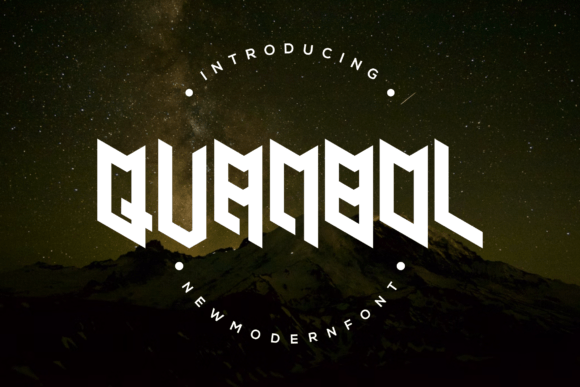
Quanbol: A Modern Display Font for Creative Excellence
When it comes to typography, the right font can make all the difference in a design project. Quanbol is a display font that stands out for its modern and futuristic aesthetic. Its unique character makes it ideal for a wide range of creative applications, from branding to digital media. Whether you're working on a logo, a website, or a print campaign, Quanbol offers a bold and distinctive look that can elevate your work.
What Makes Quanbol Unique?
Quanbol is more than just another font—it’s a statement. Designed with a clean yet edgy style, it combines geometric shapes with subtle organic elements. This blend gives it a fresh, contemporary feel that appeals to designers looking for something different. The font’s sharp lines and dynamic curves create a sense of movement and energy, making it perfect for projects that need to grab attention.
One of the key features of Quanbol is its versatility. It works well in both large and small sizes, allowing it to be used in everything from headlines to body text. However, it shines most when used as a display font, where its visual impact can truly be appreciated. Its legibility at larger sizes ensures that it remains readable without losing its stylistic flair.
Applications for Quanbol in Design Projects
Quanbol’s modern design makes it a great choice for a variety of industries. In the tech sector, where innovation and forward-thinking are essential, Quanbol can add a sleek and professional touch to branding materials. For example, a startup launching a new app might use Quanbol in their marketing collateral to convey a sense of cutting-edge design.
In the world of fashion and lifestyle branding, Quanbol can help create a strong visual identity. Its cool and unique appearance fits well with high-end or avant-garde brands that want to stand out from the crowd. A fashion label might use Quanbol in their logo or social media graphics to give their brand a modern, sophisticated edge.
For digital designers, Quanbol offers a powerful tool for web and UI design. When used in headers or call-to-action buttons, it can draw users’ attention and guide them through a site. Its clean lines also make it suitable for mobile interfaces, where space is limited and clarity is crucial.
Why Choose Quanbol Over Other Fonts?
While there are many display fonts available, Quanbol distinguishes itself through its balance of style and functionality. Unlike some fonts that prioritize aesthetics over readability, Quanbol maintains a level of clarity that makes it practical for real-world use. This makes it a go-to choice for designers who want to maintain a strong visual identity without compromising on usability.
Another advantage of Quanbol is its adaptability across different platforms. Whether you’re designing for print, web, or mobile, the font retains its integrity and visual appeal. This consistency is important for maintaining a cohesive brand image across multiple channels.
Additionally, Quanbol’s unique character sets it apart from more traditional or generic fonts. In a market saturated with similar options, using Quanbol can help a design stand out and feel more original. This is especially valuable in competitive industries where differentiation is key.
Best Practices for Using Quanbol
To get the most out of Quanbol, it’s important to consider how and where it’s used. As a display font, it’s best suited for short, impactful text rather than long paragraphs. Using it in headings, titles, or logos will allow its visual strengths to shine without overwhelming the reader.
Pairing Quanbol with other fonts can also enhance its effectiveness. For instance, combining it with a sans-serif or serif font can create a balanced and professional look. A minimalist sans-serif like Helvetica or a classic serif like Times New Roman can provide contrast while keeping the overall design cohesive.
Designers should also pay attention to spacing and hierarchy when using Quanbol. Since the font has a strong visual presence, it’s important to give it enough room to breathe. Proper line spacing and margins can prevent the design from feeling cluttered and ensure that the font remains legible and effective.
Quanbol in Everyday Design Scenarios
Imagine a designer working on a new product launch. They need a font that feels fresh and innovative, something that conveys the product’s cutting-edge nature. Quanbol would be an excellent choice for the product’s name or tagline, helping to establish a strong first impression.
Another scenario could involve a digital marketing campaign. A company looking to attract a younger, tech-savvy audience might use Quanbol in their social media posts or advertisements. Its modern look aligns with the values of this demographic, making it a relevant and appealing choice.
Even in more traditional industries, Quanbol can find a place. A law firm, for example, might use it sparingly in their website header to add a touch of sophistication and modernity without being too unconventional.
Considerations Before Adopting Quanbol
Before incorporating Quanbol into a project, it’s worth considering a few factors. First, ensure that the font is available in the necessary formats, such as OTF or TTF, depending on the platform or software being used. Some design tools may have limitations on font support, so checking compatibility is essential.
Also, think about the target audience. While Quanbol is versatile, it may not be appropriate for every type of project. For instance, a formal document or a traditional publication might benefit more from a classic font. Understanding the context of the design helps determine whether Quanbol is the right fit.
Finally, consider the overall design language. Quanbol should complement the rest of the visual elements, not clash with them. Testing it in different layouts and color schemes can help identify how it performs in various scenarios and ensure it meets the project’s needs.