Huggler: A Playful Font for Youthful and Joyful Designs
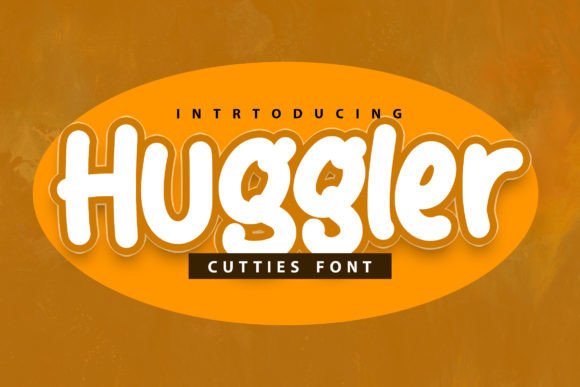
Huggler is a display font that stands out for its energetic, bubbly, and incredibly cute aesthetic. Designed to evoke a sense of playfulness and joy, it’s ideal for projects that require a lighthearted, youthful touch. Whether you're creating party invitations, promotional materials for a swimming event, or any design aiming to convey warmth and fun, Huggler can add a unique visual flair.
The font’s character is defined by rounded edges, exaggerated curves, and a whimsical feel that sets it apart from more traditional typefaces. Its design makes it particularly well-suited for contexts where the tone needs to be friendly and approachable. Unlike serif or sans-serif fonts that often prioritize clarity and professionalism, Huggler leans into charm and personality, making it a standout choice for specific creative applications.
What Makes Huggler Unique?
One of the key features of Huggler is its ability to convey emotion through typography. The font’s shape and structure are intentionally designed to mimic a sense of movement and energy. This makes it especially effective in designs that aim to capture attention or express excitement. For instance, in a children's event invitation, Huggler can help set the tone without needing additional graphics or illustrations.
Compared to other playful fonts, Huggler maintains a balance between cuteness and readability. While some fonts may sacrifice legibility for style, Huggler manages to retain clarity even at smaller sizes. This makes it versatile for use in both large headlines and shorter text elements. However, it’s important to note that its style is not universally applicable—its playful nature may not align with more formal or serious design goals.
When Huggler Is a Good Fit
Huggler excels in scenarios where the design needs to communicate joy, creativity, or a sense of fun. It’s particularly useful for events like birthday parties, summer camps, or community gatherings where the visual language should reflect enthusiasm and positivity. In these cases, Huggler can serve as a focal point that draws attention and reinforces the intended mood.
For example, a swimming pool party invitation could benefit from Huggler’s bubbly style. The font’s rounded shapes and lively appearance mirror the carefree atmosphere of a water-based event. Similarly, in marketing materials for youth-oriented products or services, Huggler can help create a connection with younger audiences while maintaining a clean and modern look.
Another scenario where Huggler shines is in branding for small businesses or personal projects that want to project a friendly, approachable image. It can be used for logos, social media posts, or promotional banners to add a distinctive visual identity. However, it’s essential to consider the target audience and the overall design strategy before choosing this font.
Comparing Huggler to Other Fonts
When evaluating Huggler against similar fonts, it’s helpful to consider the context in which each is most effective. Fonts like Bubblegum Sans or Comic Neue also offer playful styles but may differ in terms of legibility, weight, and versatility. While these alternatives might be more suitable for larger text blocks or extended reading, Huggler is better suited for short, impactful statements.
In contrast, more neutral fonts such as Arial or Helvetica provide a clean, professional look that works across a wide range of applications. These are often preferred for business documents, websites, or corporate communications where clarity and consistency are priorities. Huggler, on the other hand, is best reserved for projects that intentionally seek to break away from convention and embrace a more expressive style.
There are also more stylized options, such as Great Vibes or Lobster, which lean into cursive or script forms. These fonts can add an artistic touch but may not offer the same level of readability or adaptability as Huggler. The choice ultimately depends on the design’s purpose and the message it aims to convey.
Limitations and Considerations
Despite its appeal, Huggler is not a one-size-fits-all solution. Its distinct style may not be appropriate for all design contexts. For instance, in a professional setting or a high-end product launch, a more refined font might be more suitable. Using Huggler in such situations could risk undermining the intended tone or message.
Additionally, the font’s uniqueness can sometimes make it less accessible for readers who are not familiar with its design. While it’s readable in most cases, certain variations or stylistic choices might affect how easily users can process the text. Designers should test Huggler in different sizes and formats to ensure it meets their specific needs.
Another consideration is the availability of the font. Depending on the platform or software being used, Huggler may need to be downloaded or licensed separately. This can impact workflow, especially for those working within restricted environments or limited resources.
Best Practices for Using Huggler
To get the most out of Huggler, it’s important to use it strategically. Rather than applying it to entire documents or long paragraphs, focus on using it for headings, titles, or key phrases that benefit from its visual impact. This helps maintain a balance between style and functionality.
Pairing Huggler with complementary fonts can also enhance its effectiveness. For example, combining it with a simpler, more neutral typeface can create contrast and improve readability. This approach allows the playful elements of Huggler to stand out without overwhelming the overall design.
Finally, testing Huggler in real-world scenarios is crucial. Whether designing for print, digital screens, or mobile devices, ensuring that the font looks good in different formats can help avoid unexpected issues. This step is especially important when the design will be viewed by a broad audience or used across multiple platforms.
When to Choose Another Option
If the goal is to create a more polished or sophisticated look, other fonts may be more appropriate. For example, a sleek sans-serif like Raleway or Poppins can provide a modern, clean aesthetic that works well in both digital and print media. These fonts are often preferred for professional or corporate settings where clarity and simplicity are valued.
In cases where the design requires a strong emphasis on readability, such as in educational materials or technical documentation, a more straightforward font is typically the better choice. Huggler’s playful style may not be the best fit for these types of projects, as it could distract from the primary content.
Ultimately, the decision to use Huggler should be based on the specific needs of the project and the desired outcome. By understanding its strengths and limitations, designers can make informed choices that align with their creative goals and audience expectations.