Unsmooth: A Playful and Imperfect Display Font for Creative Designs
In the world of typography, finding a font that balances creativity with readability can be challenging. Unsmooth is a display font that stands out for its imperfections, playfulness, and unique character. Designed for those who want to add a touch of fun and personality to their designs, Unsmooth is ideal for a wide range of projects, from posters and banners to business cards and book covers. Its irregular shapes and dynamic style make it a standout choice for designers looking to break away from traditional fonts.
What Makes Unsmooth Unique?
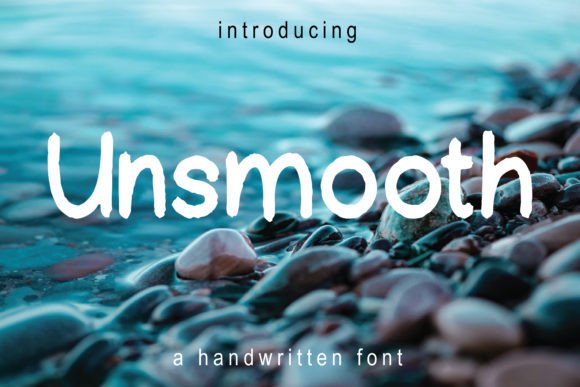
Unsmooth is not your typical clean or structured font. Instead, it embraces an organic, hand-drawn aesthetic that feels more like a personal signature than a standard typeface. The letterforms are slightly uneven, with subtle variations in weight and spacing that give the font a sense of movement and energy. This imperfection is what makes Unsmooth so appealing—it adds a human touch that can bring life to any design project.
Unlike many other display fonts that prioritize uniformity, Unsmooth thrives on its irregularities. These small inconsistencies are not mistakes but intentional design choices that create a sense of authenticity and charm. Whether you're designing a logo, a headline, or a social media post, Unsmooth can help you convey a message with a playful and expressive tone.
Challenges and Goals for Designers
Designers often face the challenge of creating visual elements that capture attention while maintaining clarity. In a competitive market, standing out is essential, but doing so without sacrificing legibility can be difficult. Many designers struggle with finding a font that is both distinctive and functional, especially when working on projects that require a strong visual identity.
For those seeking to express creativity without compromising readability, Unsmooth offers a compelling solution. Its bold and expressive style allows for maximum impact, making it perfect for headlines, titles, and other prominent text elements. At the same time, its natural flow ensures that it remains readable even at smaller sizes, making it suitable for a variety of applications.
Practical Applications of Unsmooth
Unsmooth's versatility makes it suitable for a wide range of design projects. One of its most common uses is in poster design, where it can be used to create eye-catching headlines that draw attention and communicate a message with flair. Its dynamic look also works well for banners, especially in marketing campaigns that aim to evoke emotion and excitement.
Business cards are another area where Unsmooth shines. By using this font for a company name or tagline, designers can create a memorable and distinctive visual identity that sets their brand apart. Similarly, in book design, Unsmooth can be used for chapter headings or cover text to add a sense of whimsy and individuality.
For digital projects, such as website headers or social media graphics, Unsmooth can add a unique and engaging element that resonates with audiences. Its playful nature makes it particularly effective for creative industries, such as art, music, and entertainment, where a more casual and expressive tone is appropriate.
Considerations for Using Unsmooth
While Unsmooth is highly versatile, it's important to use it strategically. Because of its distinct style, it may not be the best choice for body text or long paragraphs, where clarity and consistency are crucial. Instead, it's best reserved for short, impactful text elements where its visual appeal can be fully appreciated.
When incorporating Unsmooth into a design, consider the overall tone and message of the project. For example, a high-energy event poster might benefit from the font's dynamic feel, while a professional business document would likely require a more formal typeface. Understanding the context in which Unsmooth is used will help ensure that it enhances, rather than detracts from, the design.
How Different Users Might Approach Unsmooth
Designers with a focus on branding and identity may use Unsmooth to create a unique visual language that reflects a company's personality. For instance, a boutique coffee shop might use the font for its logo to convey a sense of warmth and creativity. On the other hand, a tech startup might use it sparingly in a modern, minimalist design to add a touch of personality without overwhelming the audience.
Graphic artists and illustrators often appreciate the artistic freedom that Unsmooth provides. They may use it in illustrations, signage, or custom artwork to add a handcrafted feel that complements their visual style. Meanwhile, educators and students might find value in using Unsmooth for presentations or classroom materials, where a more engaging and informal tone can help maintain interest.
Conclusion
Unsmooth is more than just a font—it's a tool for expression and creativity. Its imperfect, playful style makes it an excellent choice for designers looking to add a unique and expressive touch to their work. Whether you're designing a poster, a business card, or a book cover, Unsmooth offers a fresh and dynamic alternative to more conventional typefaces.
By understanding how to use Unsmooth effectively, designers can enhance their projects with a sense of character and individuality. Its ability to blend creativity with functionality makes it a valuable asset for anyone looking to stand out in the world of design. With the right approach, Unsmooth can transform ordinary text into something truly remarkable.