Secondhand Smoke: A Bold Visual Statement for Modern Design
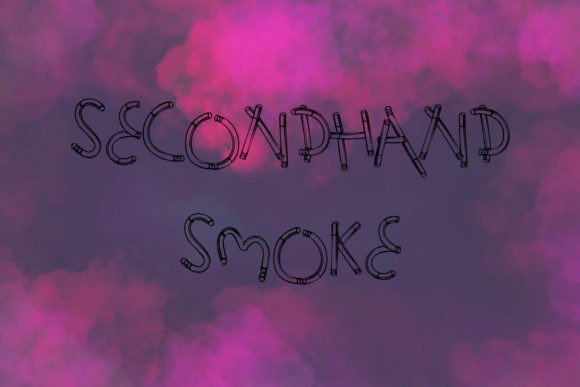
In a world where visual communication is more powerful than ever, the right font can make all the difference. Secondhand Smoke is not just a typeface—it's a statement. This smoky, nicotine-infused display font captures the essence of rebellion, nostalgia, and modern design sensibilities. Whether you're creating content for a cigarette brand or designing materials to support smoking cessation, Secondhand Smoke offers a unique aesthetic that commands attention.
As design trends continue to evolve, there's a growing demand for fonts that stand out while maintaining readability. Secondhand Smoke fits this need perfectly. Its bold, smoky texture adds a layer of intrigue that can elevate any project. From packaging to digital ads, this font brings a sense of authenticity and edge that resonates with today's audiences.
The Relevance of Secondhand Smoke in Today’s Design Landscape
Designers are constantly seeking ways to differentiate their work in a saturated market. Secondhand Smoke provides a fresh approach by blending retro elements with contemporary typography. The font's smoky appearance evokes a sense of mystery and intensity, making it ideal for projects that aim to provoke thought or spark conversation.
With the rise of minimalist design, there's also a counter-movement toward bolder, more expressive fonts. Secondhand Smoke aligns with this trend by offering a striking alternative to clean, neutral typefaces. It allows creators to inject personality into their work without sacrificing clarity or professionalism.
Moreover, as awareness around health and wellness grows, the use of fonts like Secondhand Smoke can serve a dual purpose. For instance, public health campaigns aiming to discourage smoking might use this font to create visually compelling messages that grab attention and convey urgency.
How Secondhand Smoke Reflects Changing Consumer Expectations
Today’s consumers expect more from the brands they engage with. They want visuals that reflect their values, emotions, and identities. Secondhand Smoke caters to this expectation by offering a font that is both eye-catching and meaningful. Its design speaks to a generation that values authenticity and individuality.
For businesses, this means an opportunity to connect with their audience on a deeper level. A well-chosen font can influence how a message is received, and Secondhand Smoke does more than just look good—it tells a story. Whether used in marketing materials, social media posts, or product labels, it adds a layer of narrative that enhances the overall impact.
Additionally, as digital platforms become more visual, the importance of typography in user experience cannot be overstated. Secondhand Smoke can be used strategically to highlight key messages, draw attention to calls to action, or create a cohesive brand identity that stands out in a crowded space.
Practical Applications for Professionals and Creators
For marketers, Secondhand Smoke can be a valuable tool in crafting campaigns that resonate with specific demographics. Its edgy aesthetic may appeal to younger audiences or those looking for a more unconventional approach to advertising. However, it's important to use the font judiciously—overuse can dilute its impact and make designs feel cluttered.
Entrepreneurs and small business owners can leverage Secondhand Smoke to create a strong visual identity that differentiates them from competitors. Whether launching a new product line or rebranding an existing one, this font can help establish a memorable presence in the market.
Creators and designers can experiment with Secondhand Smoke in various formats, from posters and banners to website headers and social media graphics. Its versatility makes it suitable for a wide range of applications, provided it is used in a way that complements the overall design.
Understanding the Evolution of Typography Trends
Typography has come a long way from simple serif and sans-serif fonts. Today, designers have access to a vast array of typefaces that cater to different moods, styles, and purposes. Secondhand Smoke is part of this evolution, reflecting a shift towards more expressive and emotionally resonant fonts.
This change is driven by the need for greater personalization in design. As users consume more content across multiple platforms, the ability to create visually distinct work becomes increasingly important. Fonts like Secondhand Smoke offer a way to do this without compromising on readability or usability.
Furthermore, the growing interest in retro aesthetics has influenced the popularity of fonts that evoke a sense of nostalgia. Secondhand Smoke taps into this trend by combining the look of old-school signage with modern design principles. This fusion appeals to both older generations who remember the era and younger audiences who appreciate vintage-inspired visuals.
Recommendations for Effective Use of Secondhand Smoke
To get the most out of Secondhand Smoke, consider the context in which it will be used. For example, if you're designing a campaign aimed at helping smokers quit, the font can be used to emphasize the consequences of smoking in a visually impactful way. However, it's important to balance its boldness with other design elements to ensure the message remains clear and professional.
When using Secondhand Smoke in digital formats, test it across different devices and screen sizes to ensure it maintains its intended effect. While the font is designed to be readable, certain variations may affect legibility, especially in smaller sizes or low-resolution environments.
Finally, always consider your target audience. While Secondhand Smoke may be effective for certain groups, it may not be appropriate for all. Evaluate whether the font aligns with your brand's voice and the expectations of your audience before incorporating it into your work.