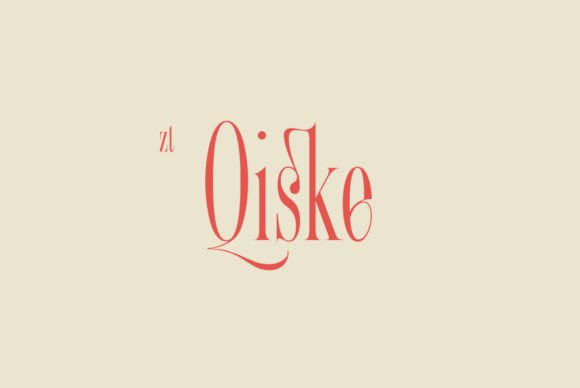
Qiske: A Stylish Serif Font for Elegant Design Projects
Qiske is a serif display font that combines elegance with modernity, making it a popular choice for designers looking to add a touch of sophistication to their work. With its clean lines and refined appearance, Qiske is ideal for a variety of applications, from logos and branding to invitations and social media content. This article explores what Qiske is, when it might be a good fit, and how it compares to other fonts in the same category.
What Is Qiske?
Qiske is a serif typeface designed for use in visual design projects that require a high level of style and class. It features a balanced structure with subtle variations in stroke weight, giving it a polished and professional look. The font is available in multiple weights, allowing for flexibility in different design contexts. Its readability at larger sizes makes it particularly suitable for headings, titles, and other prominent text elements.
Unlike more traditional serif fonts, Qiske has a contemporary edge that sets it apart. It maintains the timeless appeal of serif typefaces while incorporating modern design principles. This blend of old and new makes it versatile enough to work in both classic and modern design environments.
Why Someone Might Be Interested in Qiske
Designers often seek fonts that can elevate the visual appeal of their work without compromising legibility. Qiske offers a unique combination of elegance and clarity, making it an attractive option for those who want to create a strong visual identity. Its versatility allows it to be used across various mediums, including print and digital formats.
For businesses or individuals looking to establish a brand with a sophisticated image, Qiske can be a valuable tool. Its ability to convey professionalism and refinement makes it well-suited for industries such as fashion, luxury goods, and event planning. Additionally, its modern aesthetic appeals to designers who want to stay current with evolving design trends.
Benefits of Using Qiske
One of the main advantages of Qiske is its ability to enhance the visual impact of design projects. Its clean and structured form ensures that it stands out without being overwhelming. This makes it an excellent choice for headlines, logos, and other key elements where typography plays a central role.
Another benefit is its adaptability. Whether used in a minimalist layout or a more complex design, Qiske maintains its integrity and readability. Its availability in multiple weights also provides greater control over the hierarchy and emphasis within a design. This flexibility can be especially useful when working on multi-page documents or branding materials that require consistent visual elements.
Considerations and Tradeoffs
While Qiske is a strong option for many design projects, it may not be the best choice for every situation. One potential limitation is its suitability for long blocks of text. Serif fonts like Qiske are typically more effective in short, impactful statements rather than extended paragraphs. For body text, a more readable sans-serif font may be a better option.
Additionally, the availability of Qiske may vary depending on the platform or software being used. Designers should ensure that the font is accessible in their preferred design tools before committing to it for a project. Licensing considerations may also come into play, especially for commercial use.
Situations Where Qiske Excels
Qiske is particularly well-suited for projects that require a high level of visual sophistication. For example, wedding invitations, formal event programs, and luxury brand logos can benefit from its refined appearance. Its modern yet classic feel makes it ideal for designs that aim to evoke a sense of timelessness and elegance.
In digital marketing, Qiske can be used effectively in social media posts, banners, and other promotional materials. Its strong visual presence helps to capture attention and reinforce brand messaging. When paired with complementary design elements, it can contribute to a cohesive and professional look.
When Alternatives May Be More Suitable
There are situations where other fonts may be more appropriate than Qiske. For instance, if a project requires a more casual or playful tone, a sans-serif or script font might be a better fit. Similarly, for large amounts of text, a more readable font with a simpler structure could be preferable.
Designers should also consider the target audience when choosing a font. While Qiske conveys elegance, it may not resonate with all demographics. In some cases, a more straightforward or modern font could align better with the intended message and audience expectations.
Practical Decision-Making Insights
When evaluating whether Qiske is the right choice for a project, designers should consider the overall visual direction and goals. If the objective is to create a sense of sophistication and refinement, Qiske can be a strong candidate. However, it's important to test the font in different contexts to ensure it meets the specific needs of the design.
Additionally, comparing Qiske with similar fonts can help identify the best option for a given project. Exploring alternatives such as Playfair Display, Cinzel, or Lora can provide a broader perspective on available choices. Each font has its own strengths and limitations, and the best selection will depend on the unique requirements of the design.
Ultimately, the decision to use Qiske should be based on its ability to support the visual and functional goals of the project. By carefully considering its strengths and limitations, designers can make informed choices that enhance the overall quality of their work.